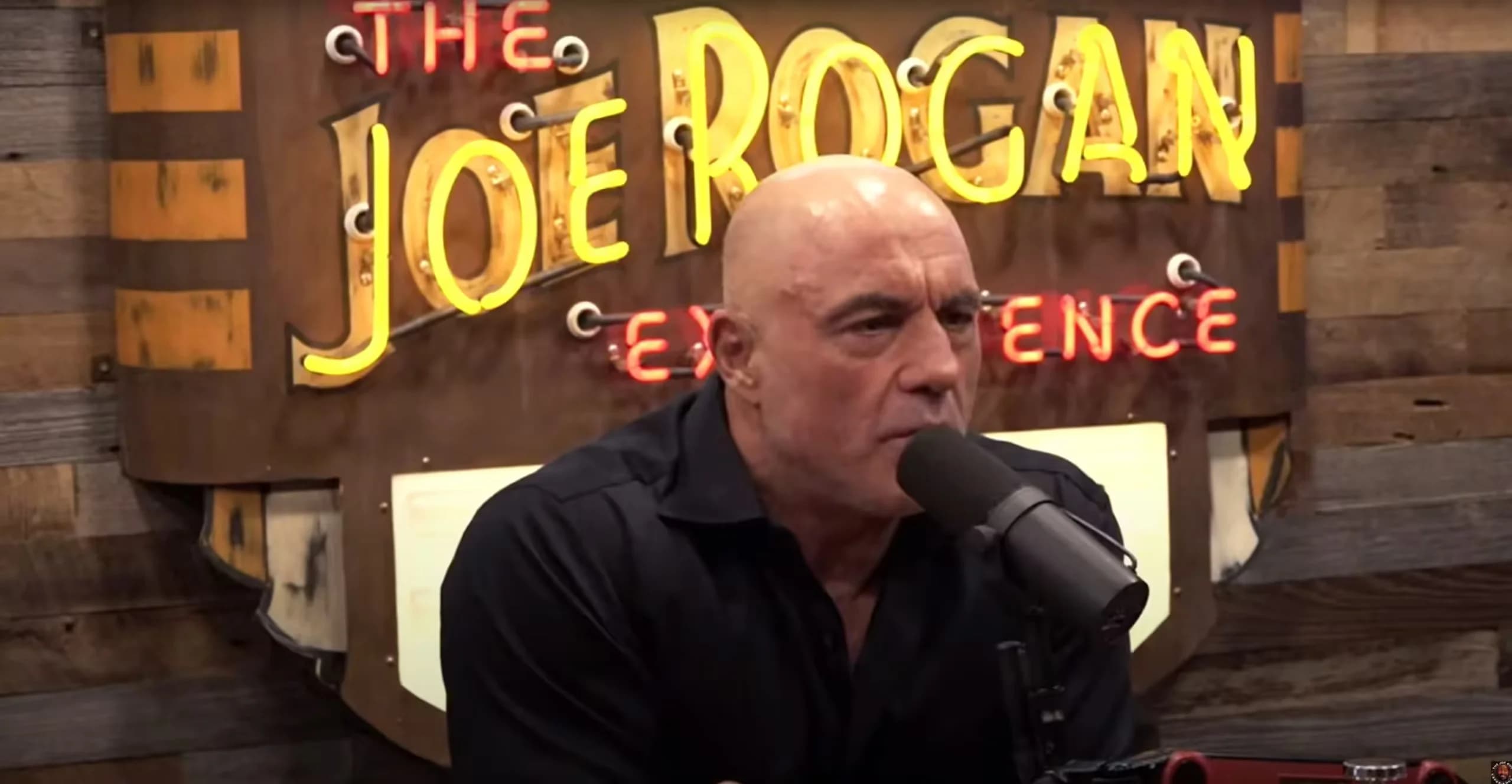
In an era where access to information shapes public discourse more than ever, recent allegations against Google have reignited concerns about digital censorship and algorithmic transparency. At the heart of the controversy is the highly anticipated interview between Joe Rogan and Donald Trump. This event was expected to command massive attention across global audiences. Held…
In an era where access to information shapes public discourse more than ever, recent allegations against Google have reignited concerns about digital censorship and algorithmic transparency. At the heart of the controversy is the highly anticipated interview between Joe Rogan and Donald Trump. This event was expected to command massive attention across global audiences.
Held on the world-renowned Joe Rogan Experience podcast, the conversation between Rogan and Trump covered a gamut of hot-button issues: the current political climate, the importance of free speech, and the pervasive influence of mainstream media. Given the stature of both figures and Rogan’s signature style of candid, long-form questioning, expectations were sky-high.
Yet despite the buzz, many users reported something unusual: difficulty locating the interview through Google search.
Users Claim Search Suppression
Social media exploded with screenshots and anecdotes. Many users claimed that search queries for the Rogan-Trump interview produced sparse or irrelevant results. This forced them to rely on direct links from podcast platforms, social media posts, or alternative search engines like DuckDuckGo.
Across Reddit, X (formerly Twitter), and niche forums, accusations began to swirl. Critics argue that this isn’t a simple technical error but an example of deliberate algorithmic suppression. They believe it’s a way to limit the reach of content that doesn’t align with certain internal or political leanings.
Prominent figures from both sides of the political spectrum have weighed in. While Trump supporters naturally decry bias against conservative voices, even some centrists and traditionally left-leaning tech critics have expressed concern. Transparency in algorithmic processes, they argue, is crucial to maintaining an open digital society.

The Power of Tech Giants
The allegations against Google come amid a broader and ongoing discussion about the responsibility tech companies have over content discoverability. When a platform as dominant as Google controls the majority of search traffic, its role becomes not just that of a gateway to information, but a gatekeeper of public discourse.
Critics argue that by potentially downgrading certain types of content, tech giants could shape narratives and sway public opinion in subtle but powerful ways. If users cannot easily access diverse viewpoints — whether controversial, popular, or simply unconventional — then the very idea of a free and open internet is called into question.
Supporters of Joe Rogan and Donald Trump have seized on this moment as a textbook example of Silicon Valley’s cultural and political biases. They point to previous instances where conservative voices, alternative news outlets, and certain commentators alleged similar treatment by major platforms.
No Official Response Yet
As of writing, Google has not issued an official statement addressing the accusations. Historically, Google has maintained that its search algorithms prioritise content relevance, quality, and trustworthiness, free from political influence.
Nevertheless, this incident has intensified calls for tech companies to be more transparent about how algorithms rank, filter, or suppress information. Public trust in big tech remains a fragile thing, easily shaken by events like this.
Users Turning to Alternatives
Interestingly, the controversy may have ripple effects beyond the interview itself. Alternative search engines like DuckDuckGo and Brave Search have seen increased activity. Users frustrated with Google’s perceived bias are looking elsewhere for unfiltered access to content.
Podcast platforms themselves — Spotify, Apple Podcasts, and direct RSS feeds — have seen a spike in manual searches for the Rogan-Trump conversation. It suggests that users are willing to bypass traditional discovery routes if they believe the system is being manipulated.

Bigger Questions for the Future
This incident doesn’t just highlight a single controversy. It taps into larger societal anxieties about free speech, platform power, and who controls information in a digital-first world.
If the allegations are proven true, it would validate long-standing concerns about centralised information gatekeepers. If false, it still demonstrates a worrying erosion of trust in platforms that billions rely upon daily.
One thing is certain: the need for transparency, accountability, and decentralised alternatives has never been greater. In the meantime, the Joe Rogan and Donald Trump interview will continue to circulate — albeit through less conventional means. This fuels debates about the future of media, technology, and democracy itself.