


Mozilla, long celebrated for its privacy-first approach, is now facing intense criticism after making changes to Firefox’s Terms of Use and Privacy Notice. The open-source browser, which has historically positioned itself as an alternative to data-hungry tech giants, is now under fire for rewording its privacy commitments—prompting concern from longtime users. The Controversy: What Changed?…
Mozilla, long celebrated for its privacy-first approach, is now facing intense criticism after making changes to Firefox’s Terms of Use and Privacy Notice. The open-source browser, which has historically positioned itself as an alternative to data-hungry tech giants, is now under fire for rewording its privacy commitments—prompting concern from longtime users.

The Controversy: What Changed?
Mozilla introduced its first-ever Terms of Use for Firefox, alongside updates to its Privacy Notice and FAQ page. While Mozilla claims these changes were meant to improve transparency, many users believe they signal a shift away from the company’s core privacy values.
🚨 The Original Terms of Use Stated:
“When you upload or input information through Firefox, you hereby grant us a nonexclusive, royalty-free, worldwide license to use that information to help you navigate, experience, and interact with online content as you indicate with your use of Firefox.”
This language implied that Mozilla had broad rights over user-submitted data, leading to fears that the company was claiming ownership over personal information.
After backlash from the open-source community, Mozilla removed this clause, stating it was misinterpreted legal boilerplate.
Mozilla’s Response: A Quick but Unconvincing Fix?
Following user outrage, Ajit Varma, Mozilla’s VP of Firefox Product, issued a statement clarifying that:
🛑 Mozilla does NOT own user data
🔍 The clause was only meant to explain Firefox’s basic functionality
📝 The wording has now been updated to avoid confusion
While this explanation may have calmed some users, another major change added fuel to the fire:
📝 Mozilla quietly removed its promise that Firefox does not sell user data.

Firefox’s Privacy Policy: What’s Missing?
Previously, Mozilla proudly stated:
“Firefox is the only major browser backed by a not-for-profit that doesn’t sell your personal data to advertisers.”
Now, this statement has been reworded to:
“Firefox, the only major browser backed by a not-for-profit, helps you protect your personal information.”
Similarly, Mozilla’s response to the FAQ question “Is Firefox free?” previously read:
“Yep! The Firefox Browser is free. Super free, actually. No hidden costs or anything. You don’t pay anything to use it, and we don’t sell your personal data.”
The new version completely omits the data-selling disclaimer, now reading:
“Yep! The Firefox Browser is free. Super free, actually. No hidden costs or anything. You don’t pay anything to use it.”
While Mozilla claims this change was made due to legal variations in how different jurisdictions define ‘selling data’, users see it as a red flag.
Mozilla’s Changing Leadership & Business Direction
Some are speculating that Mozilla’s shift in language may be connected to recent leadership changes. In December 2024, Mozilla brought in several new executives, including:
- Ajit Varma – Formerly with Meta & Google, now VP of Firefox Product
- Anthony Enzor-DeMeo – Ex-Wayfair & Better.com, now Senior VP of Firefox
- Girish Rao – Previously at Warner Bros, EA & Cisco, now SVP of Infrastructure
Mozilla’s CEO Laura Chambers, who took over in early 2024, has been making aggressive changes, including deep staffing cuts at the Mozilla Foundation.

Is Mozilla Heading Toward an Ad-Driven Future?
While Mozilla insists it is not selling user data, critics argue that these policy changes align with a shift toward monetization.
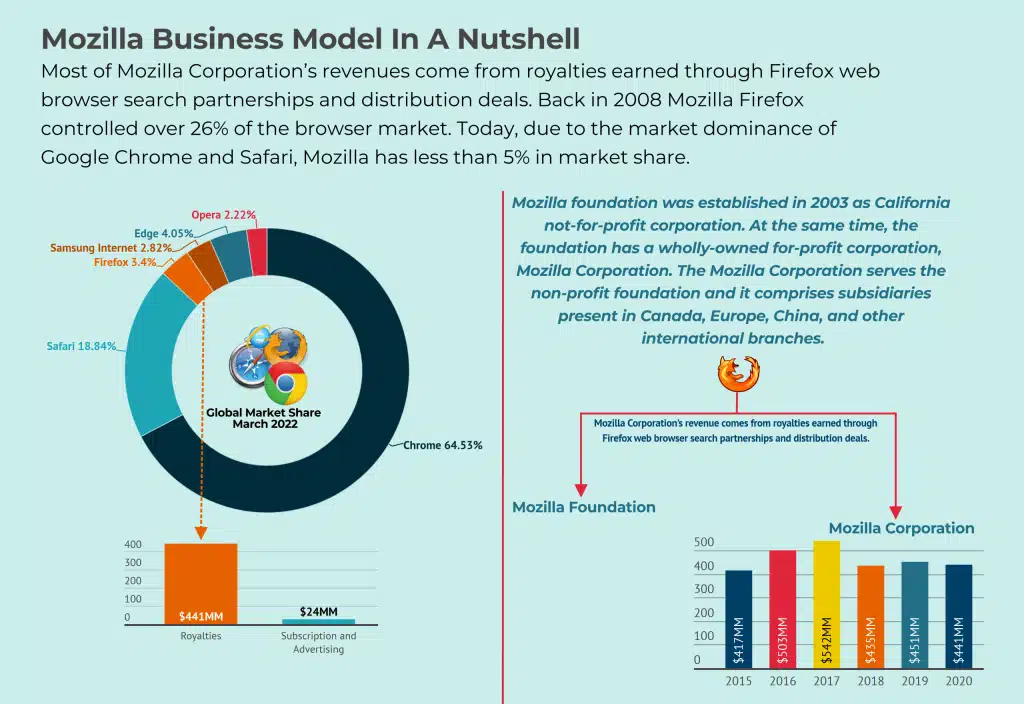
🔹 Mozilla already profits from search partnerships—Google reportedly pays Mozilla $450 million per year to make Google the default search engine in Firefox.
🔹 The company has invested heavily in ad-supported services like Mozilla VPN and Pocket (its content recommendation platform).
Users fear that Mozilla’s move away from clear anti-tracking promises could signal an increased focus on data monetization—bringing it closer to the business models of Google Chrome and Microsoft Edge.
The Fallout: What’s Next for Firefox?
The backlash has sparked heated discussions on Mozilla’s official forums, Reddit, and tech communities.
Some users are now exploring privacy-focused Firefox alternatives, such as:
🔹 Waterfox – A Firefox-based browser that removes telemetry and tracking
🔹 LibreWolf – A security-focused, open-source browser with enhanced privacy features
🔹 Floorp – A highly customizable, privacy-first alternative
While Firefox remains a strong competitor in the privacy browser market, the latest controversy raises serious concerns about its future direction.
Will Mozilla maintain its reputation as a privacy-first company, or is this the beginning of a more commercial approach?
Only time will tell.


