It begins with a battery. Twenty-one years ago, Casey Neistat’s first viral video exposed a then-little-known flaw in Apple’s iPod: when the battery died, Apple’s solution was not to replace it, but to buy a new iPod. This moment wasn’t just Neistat’s first big break into viral video. It was a doorway into a wider…
It begins with a battery. Twenty-one years ago, Casey Neistat’s first viral video exposed a then-little-known flaw in Apple’s iPod: when the battery died, Apple’s solution was not to replace it, but to buy a new iPod. This moment wasn’t just Neistat’s first big break into viral video. It was a doorway into a wider conversation about planned obsolescence. This term would become more relevant with each passing year as our devices grew smarter, sleeker, and increasingly disposable.
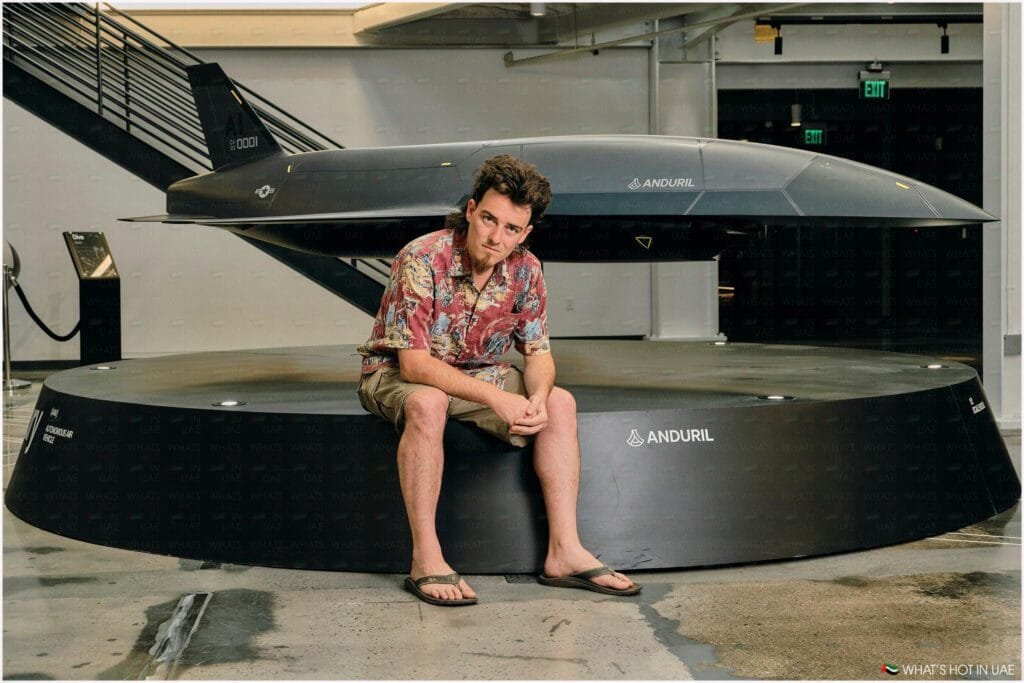
Today, Neistat returns to this conversation. But this time, he’s not standing on a soapbox. He’s inside the home of tech billionaire and Oculus founder Palmer Luckey, touring a nostalgic, magnesium-alloy rebellion against modern tech’s disposable culture. Welcome to ModRetro—a company building the ultimate anti-obsolescence product: the Chromatic Game Boy.
This is not just another YouTube video review. It’s a philosophical stand. And it’s a conversation that deserves your full attention.
The Original iPod Controversy and Birth of a Movement
Neistat’s early viral video, iPod’s Dirty Secret, told a simple story with profound implications. When his iPod battery failed shortly after the warranty expired, Apple’s response wasn’t repair—it was replacement. The film captured consumer frustration and raised a fundamental question: Why are modern products designed to fail?
That video sparked public discourse on planned obsolescence, a practice where manufacturers deliberately limit product lifespan to encourage more frequent purchases. The term had long existed, but in 2003 it hit the mainstream, thanks to two young filmmakers spray-painting the truth across billboards and Apple stores.

From Disposable to Durable: A Shift in the Tech Mindset
Modern consumer electronics have only accelerated the trend. Today, smartphones are often sealed shut, unrepairable, and obsolete within 24 months. Laptops degrade. Headphones stop syncing. Even smartwatches become unsupported. While innovation moves forward, quality seems to fall behind.
But as Neistat suggests, the real tragedy isn’t just the cost to consumers—it’s the death of truly great products. He draws attention to a broader sadness: items once considered perfect, elegant in their simplicity, have been lost not because they failed, but because progress demanded it.
Enter ModRetro: Palmer Luckey’s Unlikely New Mission
Palmer Luckey made headlines as the wunderkind behind Oculus VR, which he sold to Facebook for $2 billion. Today, he runs Anduril, a defence-tech startup. But in his downtime, Luckey has launched ModRetro, a company aiming to revive discontinued technology by rebuilding it to last forever.
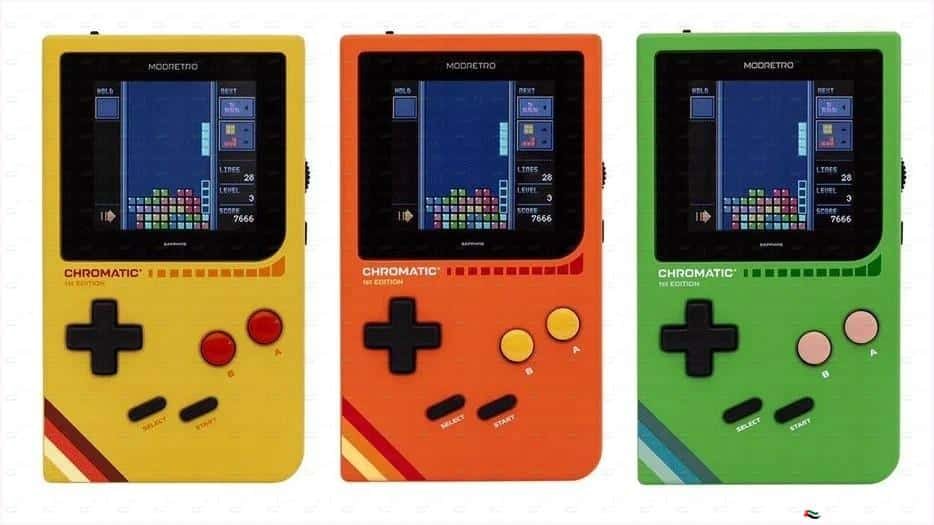
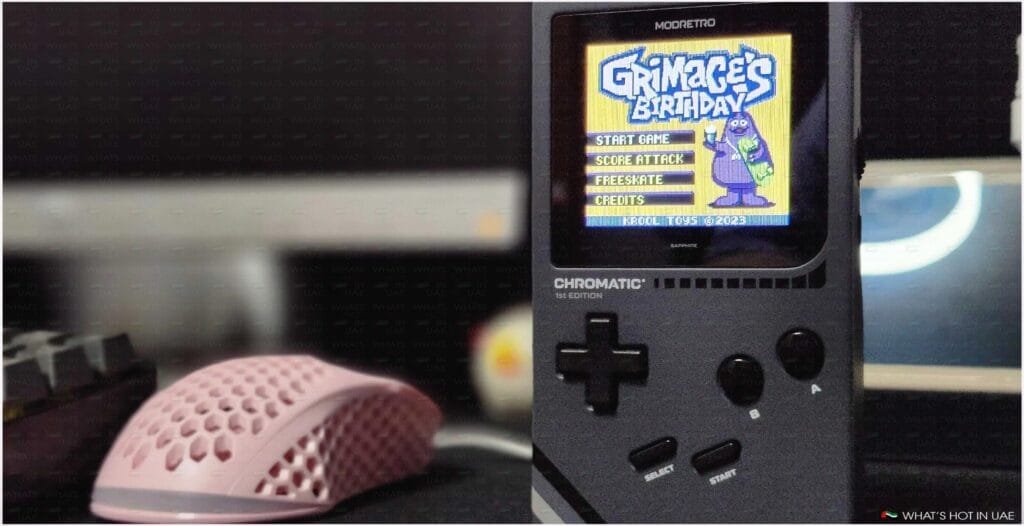
The company’s first product? The Chromatic—a meticulously crafted, hardware-compatible Game Boy clone.
The Chromatic: Why One Game Boy Could Change Everything
The Chromatic is not cheap. At $199, it’s 4x the cost of many Chinese-made emulators flooding Amazon. But that’s exactly the point.
- The display is a lab-grown sapphire crystal, one of the hardest materials on Earth.
- The shell is forged from magnesium aluminium alloy—a material used in aerospace engineering.
- The buttons are made from PBT plastic, typically reserved for high-end mechanical keyboards.
- It runs on AA batteries, ensuring that it’ll still be usable in 100 years—even if USB standards change.
- Rechargeable AAs? It supports that too.
It’s the opposite of planned obsolescence. Or as Luckey describes it: “This isn’t the next Game Boy. This is the last Game Boy.”
In Casey’s Words: The Romance of Purpose-Built Tech
Neistat captures something important in his visit to ModRetro: the romance of single-purpose technology. Today’s smartphones can emulate hundreds of consoles, stream content, message friends, take photos, edit video. But in doing everything, they do nothing especially well.
The Chromatic does one thing: it plays original Game Boy cartridges. And it does that perfectly.
It’s not trying to be more than it is. In a world obsessed with more, the Chromatic feels revolutionary.

The Bigger Problem: Are We Addicted to Broken?
Casey muses on how corporations justify planned obsolescence:
- The cynical take: It’s profit-driven manipulation.
- The optimistic take: Tech moves fast; new products replace outdated ones.
- The realistic take: It’s probably both.
But no matter where the truth lies, the consequences are real:
- Landfills filled with tech waste.
- Consumers are locked into upgrade cycles.
- Great products sacrificed in the name of innovation.
The Chromatic is the antithesis. It’s not meant to be replaced. It’s meant to be kept, cherished, and passed down.
A New Kind of Tech Company
ModRetro’s vision isn’t just to rebuild the Game Boy. Their goal is to revive other forgotten masterpieces. Casey hints that this is only the beginning. A movement, perhaps, toward:
- Heirloom electronics
- Hardware-first design
- Repairable, timeless tech
This echoes the slow fashion movement, or vinyl’s resurgence: quality over convenience. Longevity over newness.
Chromatic vs Emulators: A Quick Comparison
| Feature | Chromatic | Chinese Emulator Devices |
|---|---|---|
| Price | $199 | $30–$70 |
| Build Material | Magnesium alloy, sapphire glass | Plastic |
| Game Compatibility | Original cartridges | ROM files (emulated) |
| Battery Type | AA + USB-C rechargeables | Built-in lithium (often non-replaceable) |
| Lifespan | Decades | 1–2 years |
| Repairability | High | Low |
A Personal Manifesto
Casey ends the video not with a pitch, but a confession. He was so inspired by ModRetro, he flew across the country, visited their HQ, and asked for a job.
They didn’t hire him, but they gave him a title: Chief Storyteller.
This wasn’t content. It was conviction.
Why This Matters More Than Ever
In a world drowning in fast tech and disposable culture, this story feels like a lifeline. Casey’s video isn’t just nostalgia—it’s a wake-up call to the industry. To consumers. To creators.
We don’t need more. We need better.
And sometimes, better means going back to what worked, and building it with the craftsmanship and respect it always deserved.
You got questions, we got answers..
A: It’s a business strategy where products are deliberately designed to become obsolete or fail prematurely, prompting consumers to purchase replacements.
A: It’s built using premium materials to last a lifetime, supports original cartridges, runs on AA batteries, and rejects planned obsolescence entirely.
A: The founder of Oculus VR and Anduril Industries, now the creator of ModRetro, aiming to revive great tech from the past with modern durability.
A: It reminds us that quality, repairability, and intention matter. It’s a call to resist disposable tech culture and embrace enduring design.