Despite the recent resurgence of vinyl records, fuelled by nostalgia and a love for analogue sound, the format faces several obstacles that will prevent it from fully reclaiming its former dominance. While vinyl has carved out a dedicated niche among collectors and audiophiles, challenges related to cost, convenience, environmental impact, and production limitations make it…
Despite the recent resurgence of vinyl records, fuelled by nostalgia and a love for analogue sound, the format faces several obstacles that will prevent it from fully reclaiming its former dominance. While vinyl has carved out a dedicated niche among collectors and audiophiles, challenges related to cost, convenience, environmental impact, and production limitations make it unlikely to become the mainstream music format of the future. This is why vinyl will never make a comeback.
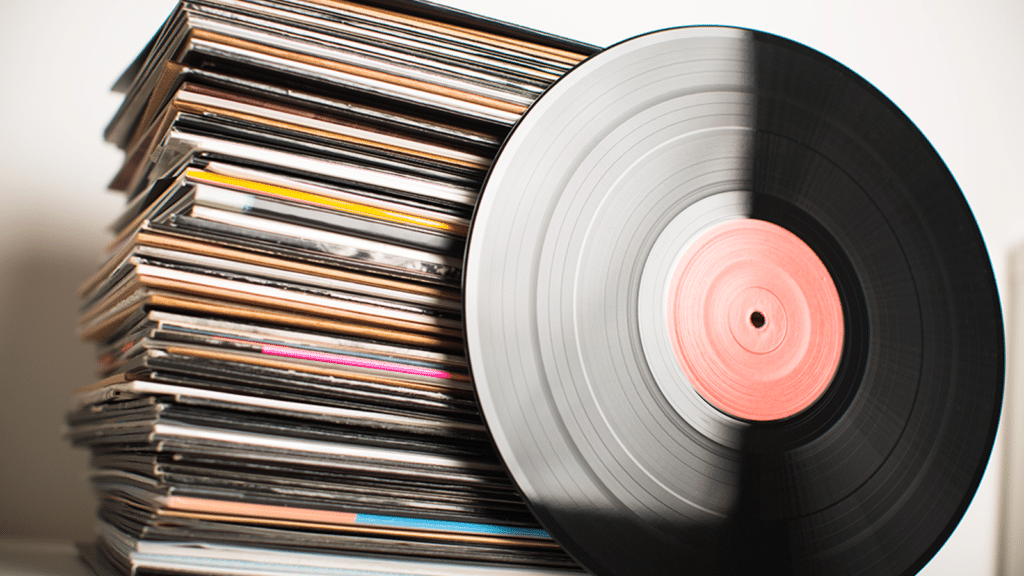
A Brief History of Vinyl’s Rise and Fall
Vinyl records dominated the music industry for much of the 20th century, offering listeners a tangible and high-quality way to enjoy their favourite albums. From the rise of LPs in the 1950s to the golden age of rock, jazz, and pop in the 1960s and 70s, vinyl became synonymous with music culture. The format offered both audio fidelity and physical collectability, making it a beloved medium for generations.
However, the arrival of cassette tapes in the 1970s, followed by CDs in the 1980s, marked the beginning of vinyl’s decline. By the 1990s, the convenience and portability of digital formats, combined with the rise of MP3s and streaming services like Spotify and Apple Music, further diminished vinyl’s market share. For decades, vinyl was relegated to the realm of collectors and niche enthusiasts.
Yet, in the 2010s, vinyl began to make an unexpected comeback. Sales surged as younger generations discovered the warm, analogue sound of vinyl, and older collectors rekindled their passion for physical music. By 2023, vinyl sales in the United States surpassed CD sales for the first time in decades, signalling a cultural shift. However, despite this resurgence, vinyl faces significant barriers that prevent it from becoming a dominant format once again.
Environmental Impact: A Growing Concern
One of the biggest challenges facing vinyl’s long-term future is its environmental impact. Vinyl records are made from polyvinyl chloride (PVC), a type of plastic derived from fossil fuels. The production process is energy-intensive, involving steam boilers and various chemical treatments that contribute to greenhouse gas emissions. Additionally, vinyl records are often packaged in single-use plastic wrap, further adding to environmental concerns.
As awareness of climate change and plastic pollution grows, consumers and industries alike are seeking more sustainable alternatives. This shift toward eco-friendly products makes vinyl’s carbon footprint increasingly difficult to justify, particularly when digital music offers a more environmentally sustainable option.
Production Limitations and Supply Chain Issues
Another obstacle to vinyl’s widespread resurgence is the limited production capacity of vinyl pressing plants. The surge in demand has overwhelmed the industry, leading to long wait times and production delays. Many pressing plants still rely on outdated equipment that cannot keep up with modern demand, resulting in backlogs that can delay album releases by six months or more.
Additionally, the COVID-19 pandemic disrupted global supply chains, further exacerbating delays in the production and distribution of vinyl records. Shipping costs have also risen, driving up the price of vinyl and making it less accessible to the average consumer. While some companies are investing in new pressing technology, the high costs and logistical challenges involved make it unlikely that vinyl production will scale to meet the needs of a mass-market audience.

Cost and Accessibility: A Luxury, Not a Necessity
Vinyl records are significantly more expensive than other music formats, with new releases typically priced between AED 110 and AED 220. Collectors and audiophiles may be willing to pay a premium for vinyl’s superior sound quality and collectible appeal, but for the average consumer, the high cost is a major deterrent. Additionally, vinyl requires investment in turntables, speakers, and amplifiers, further increasing the overall cost of ownership.
In contrast, streaming services like Spotify, Apple Music, and YouTube Music offer unlimited access to millions of songs for a low monthly subscription fee. With instant access, no physical storage requirements, and the convenience of listening on the go, streaming services have become the default way for most people to consume music. As a result, vinyl is increasingly seen as a luxury item rather than a practical choice for everyday listening.
The Convenience Factor: Digital Dominates
In today’s fast-paced world, convenience is king. Streaming services allow users to access their favourite music anytime, anywhere, with features like playlists, offline listening, and personalised recommendations. This level of convenience cannot be matched by vinyl records, which require physical storage space, manual playback, and careful maintenance to preserve sound quality.
While some music lovers appreciate the tactile experience and ritual of vinyl, the majority of consumers prioritise ease of use and instant access. As technology continues to advance, features like high-fidelity streaming and lossless audio are bridging the gap in sound quality, further diminishing vinyl’s competitive advantage.
Vinyl’s Future: A Niche Market, Not a Mainstream Comeback
While vinyl is unlikely to disappear entirely, its future lies as a niche product for collectors and enthusiasts rather than a mainstream music format. The resurgence of vinyl reflects a desire for tangible, physical connections to music in an increasingly digital world. Still, practical factors like cost, production limitations, and environmental concerns will limit its widespread adoption.
Ultimately, streaming services offer the convenience, affordability, and accessibility that modern consumers demand, making it unlikely that vinyl will ever reclaim its former status as the dominant format for music consumption.
Read more in our online magazine: 😎
https://whatshotinuae.com