


The Web 3.0 era is the most transformative leap in the history of the internet. It promises a smarter, more interconnected, and decentralised digital world. Unlike Web 1.0, which was static and read-only, and Web 2.0, which introduced dynamic platforms dominated by tech giants, Web 3.0 envisions a future where data is decentralised, intelligence is…
The Web 3.0 era is the most transformative leap in the history of the internet. It promises a smarter, more interconnected, and decentralised digital world. Unlike Web 1.0, which was static and read-only, and Web 2.0, which introduced dynamic platforms dominated by tech giants, Web 3.0 envisions a future where data is decentralised, intelligence is embedded in every interaction, and users gain real control over their digital lives. Powered by blockchain, artificial intelligence (AI), machine learning (ML), and the semantic web, Web 3.0 has the potential to reshape industries, economies, and societies on a global scale.
From Web 1.0 to Web 3.0
The story begins with Web 1.0, the first iteration of the internet. It was simple and static, offering read-only content with minimal interaction. Websites functioned like digital brochures rather than living platforms.
Web 2.0 ushered in the era of social media, interactivity, and user-generated content. This is the internet most people are familiar with today—an environment defined by platforms such as Facebook, YouTube, and Wikipedia. However, it also concentrated power in the hands of centralised corporations that monetised user data.
Now, Web 3.0 introduces a new model—intelligent, decentralised, and user-centric. It represents the natural evolution of the internet, shifting power away from corporate servers and into networks and communities.

Decentralisation and Blockchain
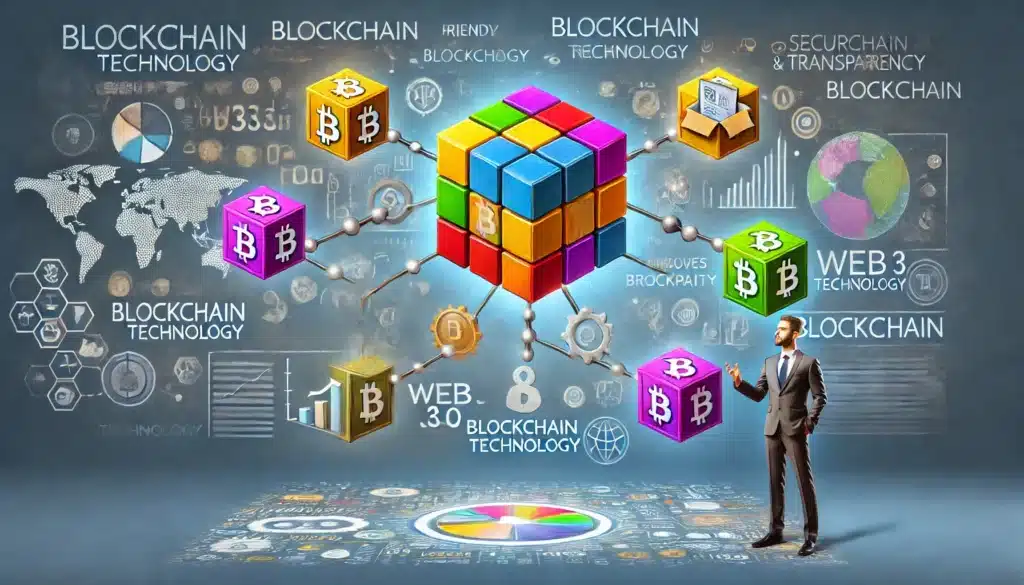
At the heart of Web 3.0 lies decentralisation. Unlike Web 2.0, where corporations own and control vast data centres, Web 3.0 distributes information across nodes in a blockchain-powered network. This makes transactions tamper-proof, transparent, and resistant to hacks. In finance, this has already led to decentralised finance (DeFi) platforms, enabling people to borrow, lend, and trade without banks. In the UAE, regulators are actively exploring blockchain frameworks for trade, real estate, and digital assets, highlighting regional readiness for the Web 3.0 shift.
Semantic Web and Smarter Search
The semantic web transforms how machines process information. Instead of simply matching keywords, AI-driven systems interpret meaning and context. Searches in Web 3.0 will feel more like speaking with an intelligent assistant than scrolling through endless links. This leap in efficiency is particularly important for industries like healthcare and education, where precise, contextual results can save time and lives.
Artificial Intelligence and Machine Learning
AI and ML will become the engines of the Web 3.0 experience. From predictive shopping recommendations to AI-powered legal tools, these systems will continuously learn and improve. In DubAI, AI is already integrated into government services, customer portals, and even traffic management. With Web 3.0, these implementations will expand into decentralised systems where algorithms serve users directly rather than corporate interests.
Interoperability Across Systems
Web 2.0 often left users stuck in silos—apps, accounts, and systems that didn’t talk to each other. Web 3.0’s interoperability envisions a world where digital identities, assets, and services flow seamlessly across platforms. Imagine logging in once and carrying your profile, preferences, and digital wallet everywhere, whether you’re playing a game, buying concert tickets, or managing investments.
User Privacy and Data Ownership
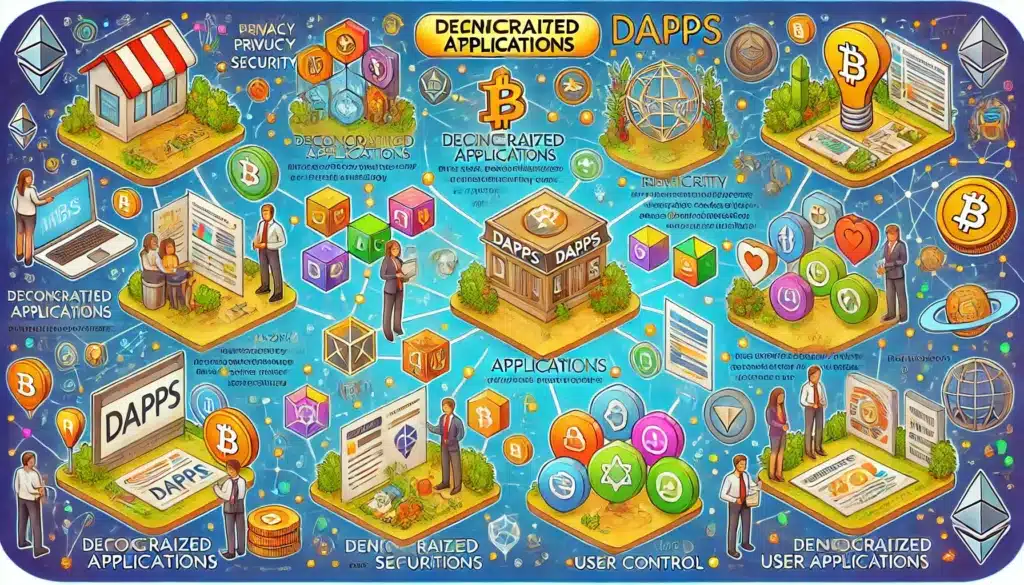
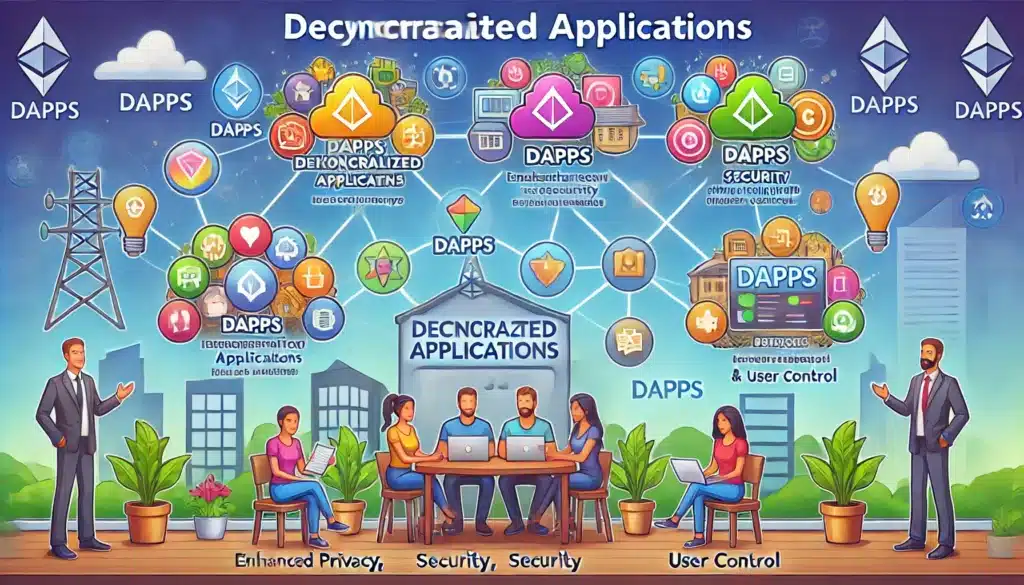
Perhaps the most revolutionary aspect of Web 3.0 is user empowerment. Data ownership shifts back to individuals, secured by blockchain and decentralised applications (dApps). Instead of handing personal information to tech giants, people can control, protect, and even monetise their digital identities. This marks a turning point in the balance of digital power.
Applications of Web 3.0
The promise of Web 3.0 isn’t distant—it’s happening now. DeFi platforms are allowing financial access without banks. Smart contracts automatically execute agreements without intermediaries. Virtual and augmented reality create immersive environments for gaming, retail, and education. The Internet of Things (IoT) connects smart devices in homes, hospitals, and transport systems, making daily life more efficient. In Dubai, the Smart Dubai initiative demonstrates how a city can integrate blockchain, AI, and IoT to build one of the world’s first true Web 3.0 environments.
Challenges to Overcome
Despite the optimism, challenges remain. Scalability is a concern, as decentralised networks must support billions of transactions. Regulations vary widely across jurisdictions, and striking a balance between innovation and compliance will be crucial. Adoption is another hurdle—many users still struggle with blockchain wallets or decentralised apps. Overcoming these barriers will determine how fast Web 3.0 becomes mainstream.

Why Web 3.0 Matters
Web 3.0 is not a buzzword—it’s a paradigm shift. It offers a chance to rebuild the internet into something smarter, fairer, and more secure. By embedding trust into networks, empowering individuals, and decentralising control, it paves the way for a digital society that reflects human values rather than corporate monopolies. In the UAE, where blockchain adoption and AI integration are government priorities, Web 3.0 isn’t just the future of the internet—it’s the foundation for national innovation.


