There was a time when the television set was the centrepiece of every living room, dictating the rhythm of our evenings. Families would gather around, dinner plates in hand, to catch the latest drama, watch the news, or follow the week’s big sporting clash. But the age of the television as the undisputed king of…
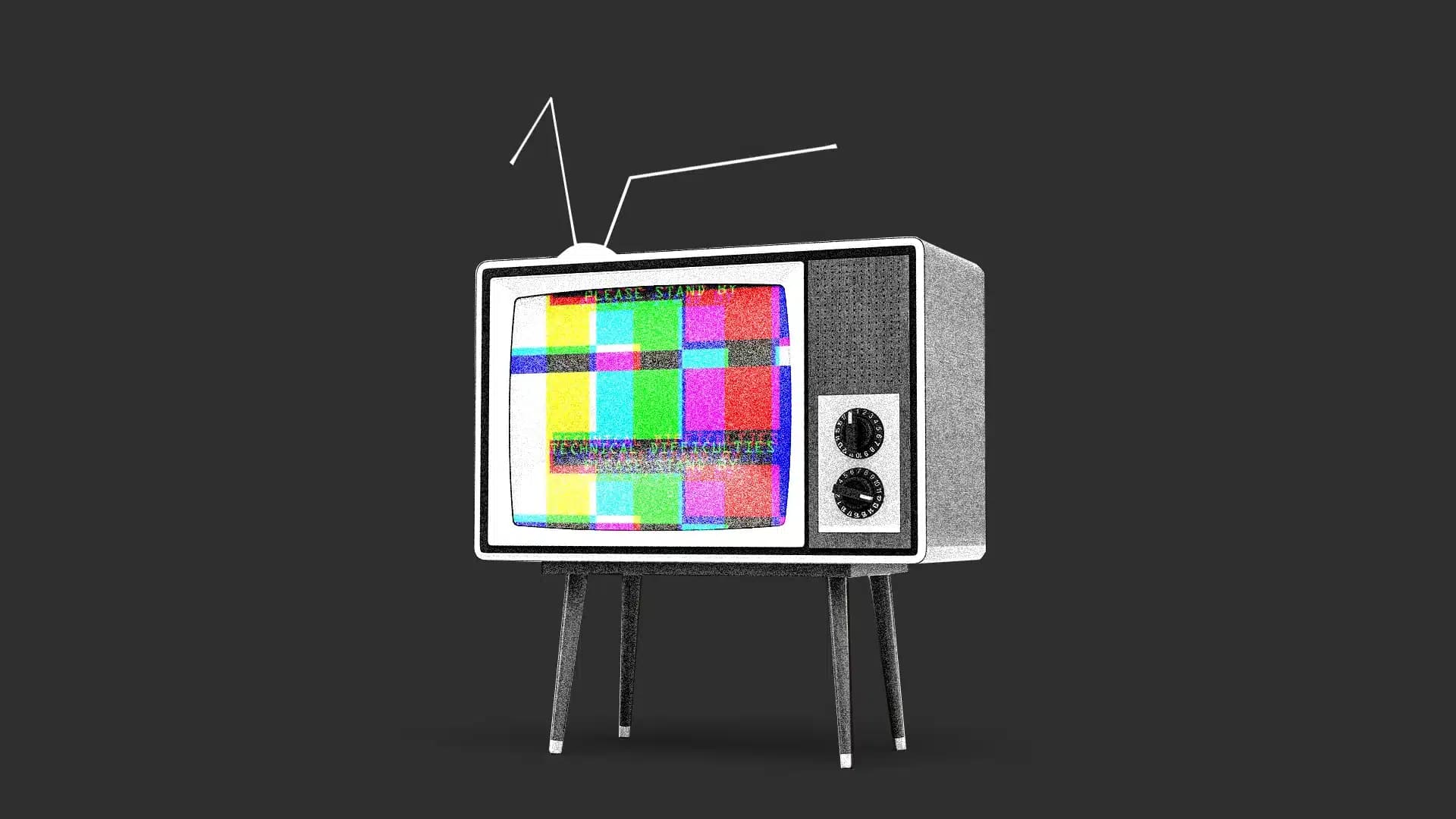
There was a time when the television set was the centrepiece of every living room, dictating the rhythm of our evenings. Families would gather around, dinner plates in hand, to catch the latest drama, watch the news, or follow the week’s big sporting clash. But the age of the television as the undisputed king of entertainment has been slowly fading. In its place, a new digital empire has emerged — one that’s interactive, personalised, and always on-demand. This is the death of TV as we once knew it.
From Cultural Hub to Background Noise
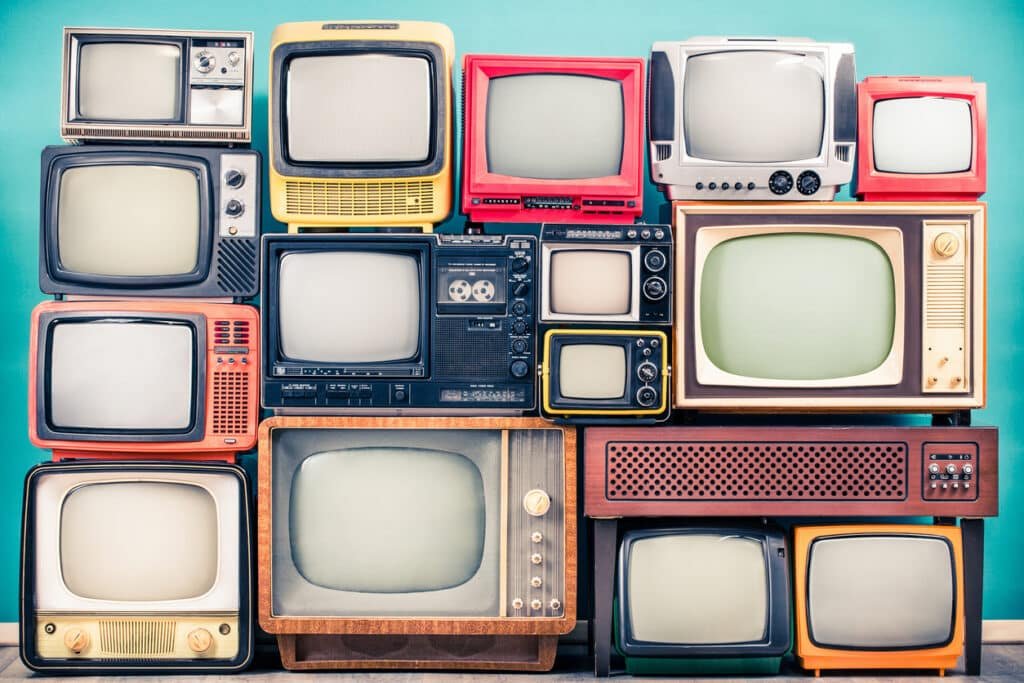
In the 1980s and 1990s, television wasn’t just a device — it was a cultural event. From soap opera cliffhangers to the anticipation of Saturday morning cartoons, television created moments that united entire nations. Channels like BBC, CNN, and NBC shaped public opinion and brought global events into our living rooms in real time.
But over the past decade, the glow of the TV screen has lost its magnetism. For many households, the set still hangs on the wall, but it’s no longer the primary gateway to entertainment. Increasingly, it’s just one screen among many.
The Rise of the Stream
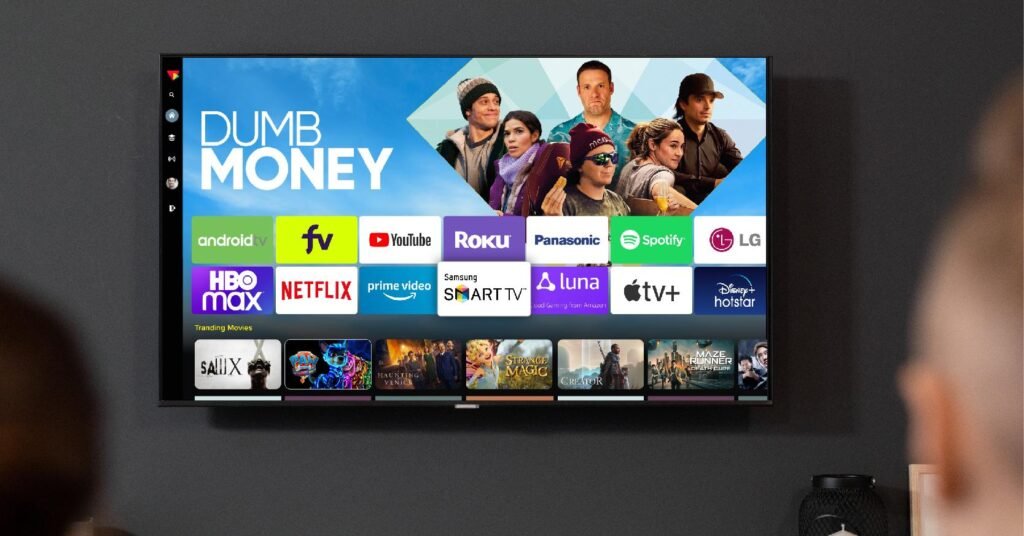
The sharpest blade in TV’s decline has been streaming technology. High-speed internet, smartphones, and affordable smart TVs have demolished the idea of having to wait for scheduled programming. Platforms like Netflix, Amazon Prime Video, and Disney+ offer not just convenience but an abundance of choice — thousands of hours of films, documentaries, and shows available instantly.
For younger generations, the idea of being “told” when to watch something feels outdated. They want the freedom to binge an entire season in a weekend, pause for a snack, or switch to another show in seconds. This shift in viewing behaviour has been nothing short of revolutionary — and it’s the core driver behind the death of TV.

Social Media Steals the Spotlight
Social platforms have become an entirely new entertainment ecosystem, one that is faster, more interactive, and often more engaging than traditional TV. TikTok delivers rapid-fire videos that cater to short attention spans. YouTube serves as an endless library of content on every imaginable subject. Twitch combines gaming, live chat, and streaming into a hybrid form of entertainment television never offered.
This isn’t just a shift in where people watch — it’s a change in how they engage. Viewers today expect to comment, like, share, and directly interact with the content and its creators. Television, with its one-way broadcast model, can’t compete with that level of engagement.
Advertising Dollars Follow the Audience
For decades, TV networks relied heavily on advertising revenue. But as audiences migrate to digital platforms, advertisers have followed. Digital ads offer something TV could never match: pinpoint targeting and measurable results.
A brand can now reach exactly the type of person it wants, at the precise moment they’re most receptive, for a fraction of the cost of a prime-time TV spot. That shift has starved traditional networks of the funds they once used to produce high-budget programming, fuelling a cycle of declining quality and shrinking audiences.
Live Events: The Last Stronghold
There is one place where television still commands dominance — live events. From the FIFA World Cup to the Super Bowl, millions still tune in for the immediacy of the moment. Sports in particular thrives on live viewing, as the thrill comes from experiencing it as it happens.
However, even this final bastion is under siege. Streaming platforms are rapidly buying up broadcasting rights, offering high-definition coverage, multiple camera angles, and interactive stats that traditional TV can’t match. Amazon Prime already streams NFL games, and Apple has moved into Major League Baseball coverage — a clear sign that live sports could be the next domino to fall in the death of TV.
The Struggle to Adapt
Recognising the shift, traditional networks have launched their own digital platforms. NBC’s Peacock, Paramount+, and BBC iPlayer are all attempts to keep pace with changing habits. Yet the challenge is enormous: these services are competing not only with global streaming giants but with the very platforms they once dismissed as niche.
And while TV networks carry decades of content in their archives, they lack the algorithm-driven personalisation that has made Netflix and YouTube so addictive. Without the ability to instantly serve viewers exactly what they want, networks risk becoming irrelevant in a market that thrives on instant gratification.
Technology’s Next Move
The next stage of this transformation could make the traditional TV experience almost unrecognisable. Smart TVs already blur the lines between broadcast and streaming. Artificial intelligence is beginning to curate hyper-personalised recommendations across multiple platforms. Virtual reality and augmented reality could soon create immersive viewing environments that put audiences inside their favourite shows.
In other words, the future of television may not be about fighting to preserve the old model — it will be about reinventing what “television” means altogether.
Cultural Consequences
The death of TV is more than a technological shift; it’s a cultural one. The shared national moments once created by mass broadcasts are disappearing. Instead of everyone talking about last night’s episode of a major series, conversations now fragment into niche interests and micro-communities. While this offers diversity and inclusivity, it also means the cultural glue that once bound entire societies through common viewing experiences is fading.
The Road Ahead
Traditional TV isn’t gone yet, but it’s no longer the towering giant it once was. Its role is changing from being the only screen in the room to one option among many. For some, this is a loss — a goodbye to a simpler, more unified media experience. For others, it’s an exciting evolution that gives control back to the viewer.
What’s certain is that there’s no reversing the trend. The entertainment landscape is now driven by technology, personalisation, and interactivity — and the television’s golden age has given way to a new digital order.