

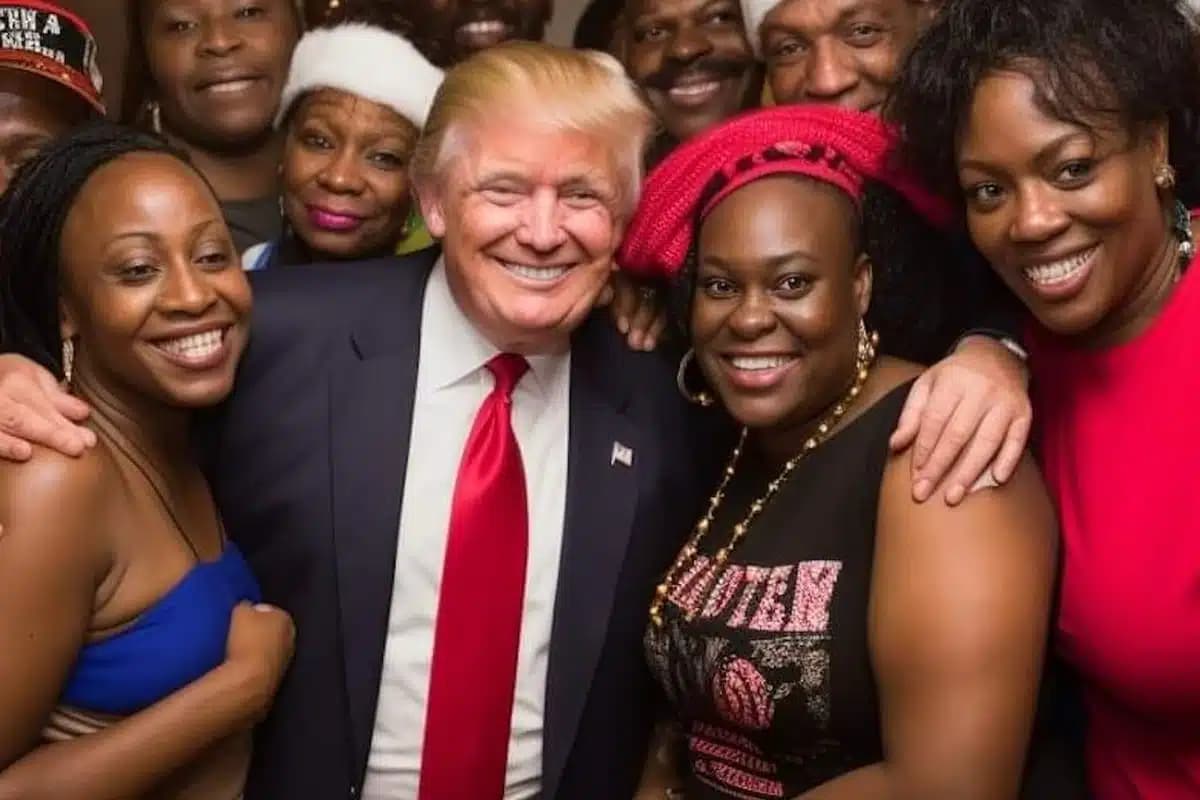
In response to the growing issue of nonconsensual deepfake imagery, particularly targeting female celebrities, Google Tackles Explicit Deepfakes in new measures to address this problem. Over the past year, the proliferation of explicit deepfake content online has become a significant challenge for search engines, as users may come across such material even when not actively…
In response to the growing issue of nonconsensual deepfake imagery, particularly targeting female celebrities, Google Tackles Explicit Deepfakes in new measures to address this problem. Over the past year, the proliferation of explicit deepfake content online has become a significant challenge for search engines, as users may come across such material even when not actively seeking it.

To tackle this, Google has implemented an update to its ranking systems, aiming to reduce the visibility of fake explicit images and videos in search results. In a blog post, Google product manager Emma Higham announced that the ranking updates are intended to lower the amount of explicit fake content that appears during searches.
New Ranking System to Combat Deepfake Content
Google’s new approach focuses on how the search engine responds when users search for terms that could yield nonconsensual deepfakes of specific individuals. Instead of showing pages with explicit fake content, the updated ranking system will prioritise high-quality, non-explicit content, such as news articles, where available.
Higham explained that this change allows users to learn about the societal impact of deepfakes rather than encounter the harmful content itself. According to Higham, these updates have already reduced exposure to explicit image results on deepfake-related searches by 70 percent.
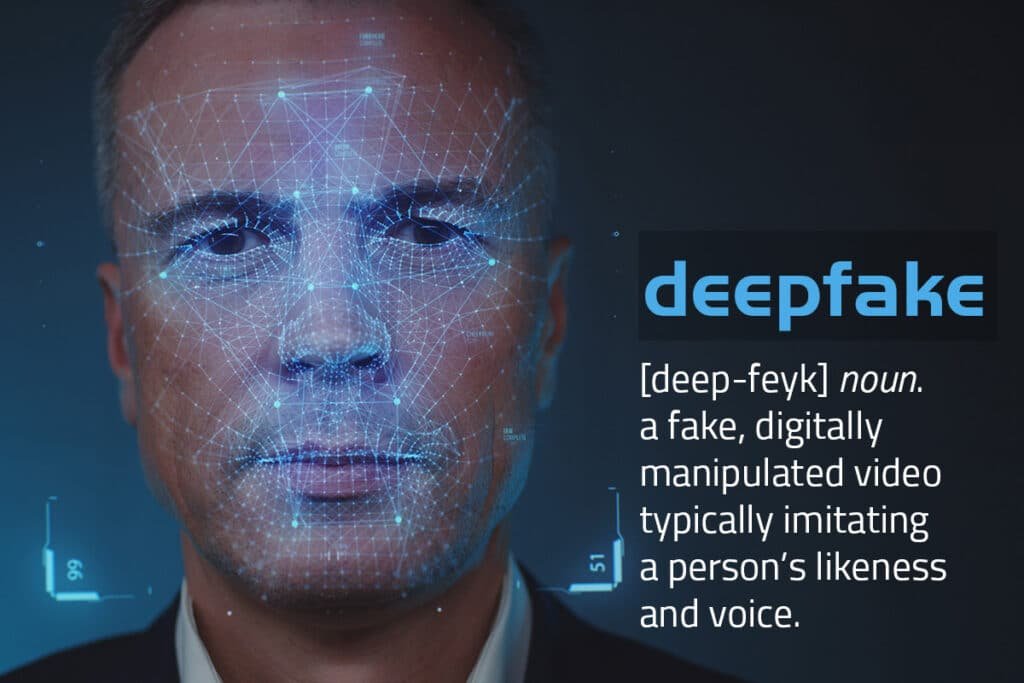
Addressing the Complexity of Distinguishing Real from Fake
One of the key challenges Google faces is differentiating between real, consensual content—such as actors in nude scenes—and AI-generated deepfake imagery without consent. To address this, Google has begun factoring in whether a site has had pages removed under Google’s policies on nonconsensual deepfakes. Sites with a high volume of removals for this kind of content will be downranked in search results, making it harder for explicit deepfakes to reach a wide audience.

Easier Removal Requests for Victims of Deepfakes
In addition to improving search rankings, Google is also enhancing the process for victims of nonconsensual deepfakes to request removals. These updates are aimed at making the request process simpler and more efficient. Once a deepfake is removed from Google Search, the company’s systems will try to filter out similar results and remove any duplicate images.
Higham acknowledged that there is “more work to do” in addressing the spread of nonconsensual deepfakes but affirmed that Google will continue developing new solutions to support victims. We’re seeing in real time how Google tackles explicit deepfakes.
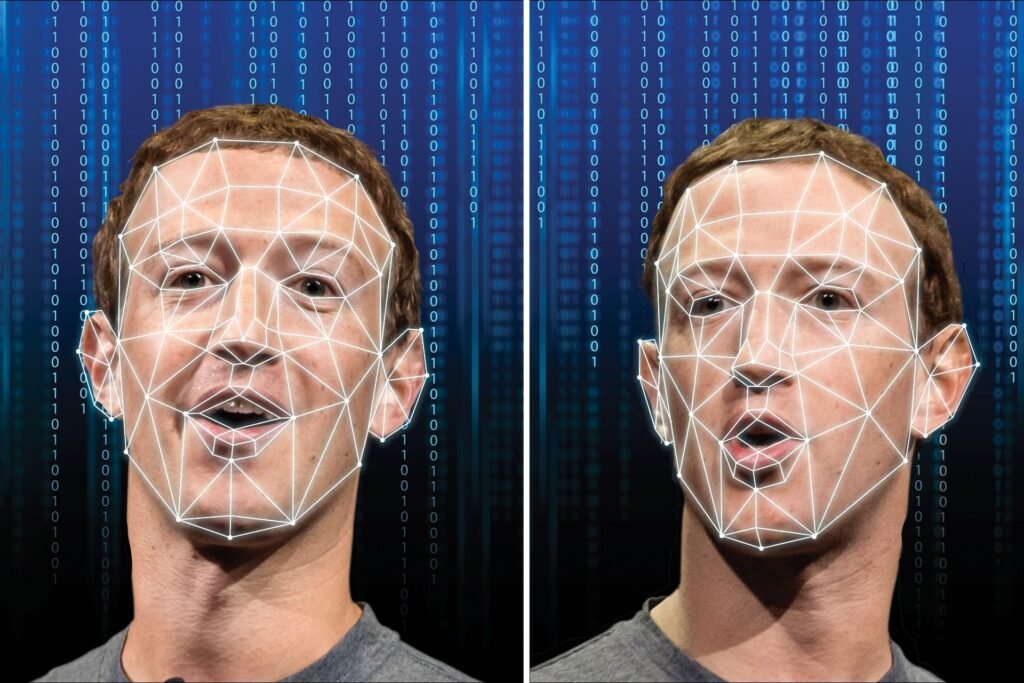
Google’s Response to Wider Tech Industry Pressure
Google’s announcement comes just two months after the White House called on tech companies to take stronger action against the spread of explicit deepfake imagery. As the issue continues to grow, Google’s updated tactics are a step toward protecting individuals from the harmful effects of AI-generated fake content.


