Dior, the globally celebrated French fashion house, has been synonymous with luxury, elegance, and innovation since its inception in 1946. Founded by Christian Dior, the brand revolutionised women’s fashion in the post-war era with its iconic “New Look”. This redefined femininity and brought a fresh vision to haute couture. Over the decades, Dior has evolved…
Dior, the globally celebrated French fashion house, has been synonymous with luxury, elegance, and innovation since its inception in 1946. Founded by Christian Dior, the brand revolutionised women’s fashion in the post-war era with its iconic “New Look”. This redefined femininity and brought a fresh vision to haute couture. Over the decades, Dior has evolved into a powerhouse. It influences not only fashion but also art, culture, and beauty industries worldwide. Here, we look at the history of Christian Dior.
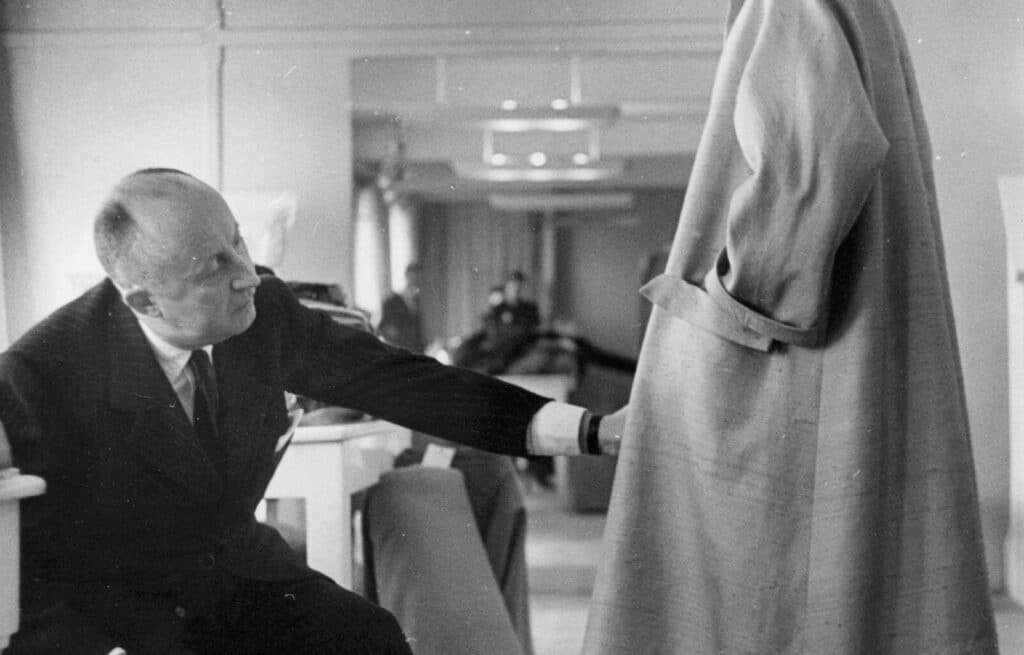
Christian Dior: The Visionary Behind the Brand
He was born in Granville, Normandy, in 1905 into a wealthy family. Initially inclined toward art, he opened an art gallery in the 1930s, showcasing works by the likes of Pablo Picasso. However, the Great Depression forced the closure of his gallery. Dior then pivoted to fashion, working for notable designers like Robert Piguet and Lucien Lelong.
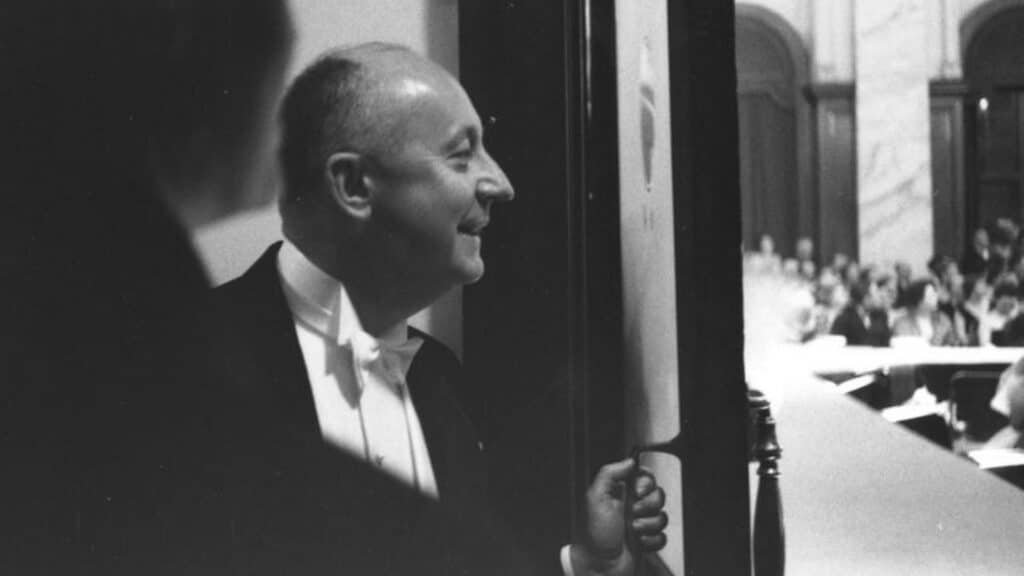
In 1946, with financial backing from textile magnate Marcel Boussac, Dior launched his eponymous fashion house in Paris. Despite the challenges of post-war austerity, Dior’s debut collection in 1947 took the world by storm. The collection, later dubbed the “New Look” by Harper’s Bazaar editor Carmel Snow, featured rounded shoulders, cinched waists, and voluminous skirts, offering a stark contrast to the utilitarian styles of World War II.
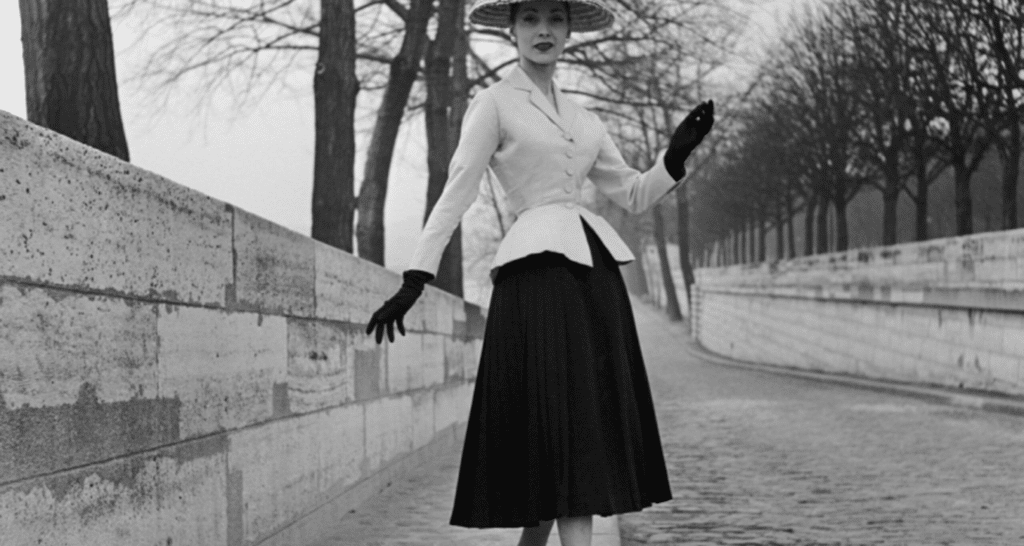
The “New Look” Revolution
The “New Look” wasn’t just a fashion statement; it was a cultural phenomenon. Dior’s designs symbolised a return to glamour and femininity, reviving the French fashion industry and putting Paris back on the map as the epicentre of haute couture. Critics initially questioned the extravagance of fabric use, but the appeal of Dior’s creations soon won over skeptics, with women worldwide embracing his vision of luxury.
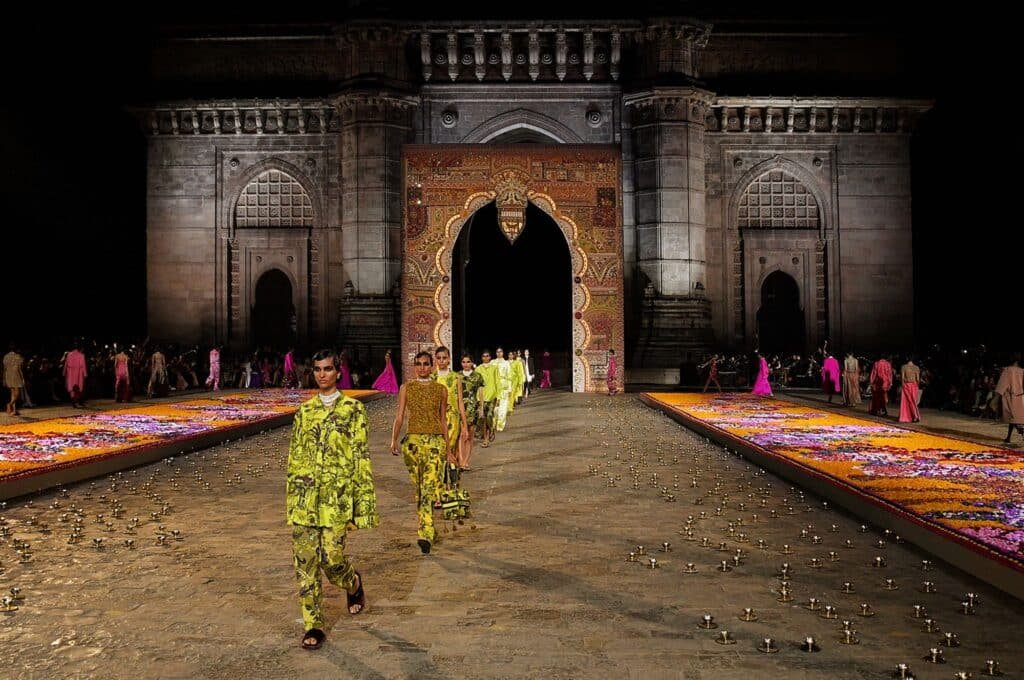
The success of the “New Look” established Dior as a global brand. By the early 1950s, the house had expanded internationally, with boutiques in cities like New York and London. Dior’s designs were worn by Hollywood stars such as Marlene Dietrich and Marilyn Monroe, further cementing the brand’s reputation for sophistication and elegance.
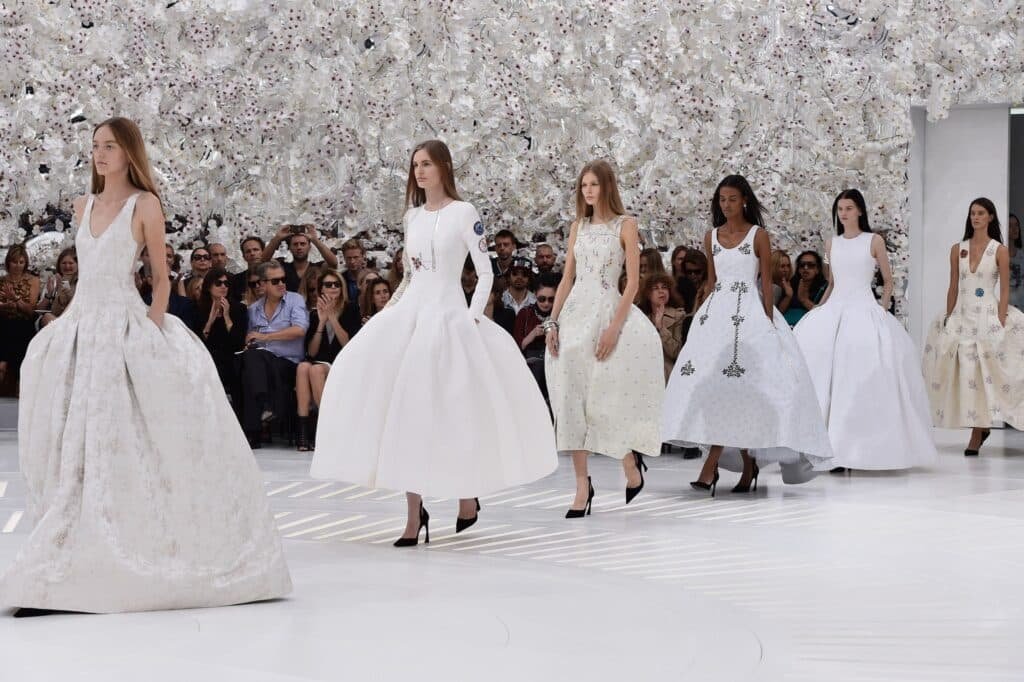
Christian Dior’s Untimely Death and Yves Saint Laurent’s Era
Christian Dior’s career was tragically cut short in 1957 when he died of a heart attack at the age of 52. Despite the immense loss, the house of Dior found an unlikely successor in a young 21-year-old assistant, Yves Saint Laurent.
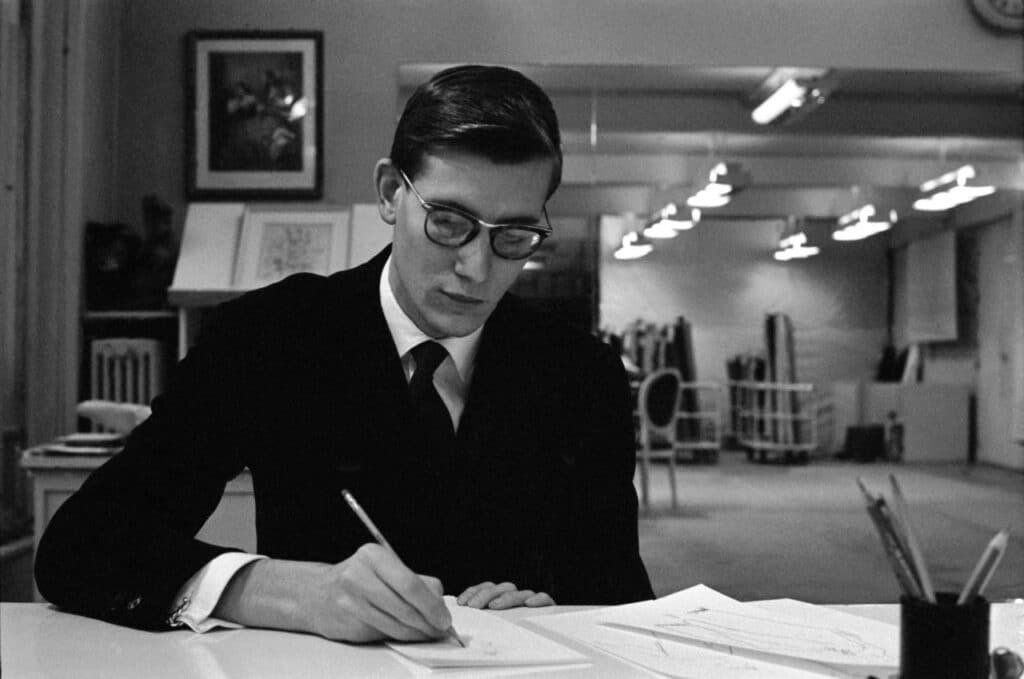
Saint Laurent continued Dior’s legacy while introducing his own innovative touches. His Trapeze collection in 1958, featuring A-line silhouettes, marked a departure from the “New Look” and showcased his talent for modernising couture. However, Saint Laurent’s tenure at Dior was brief, as he left in 1960 to establish his own fashion house.
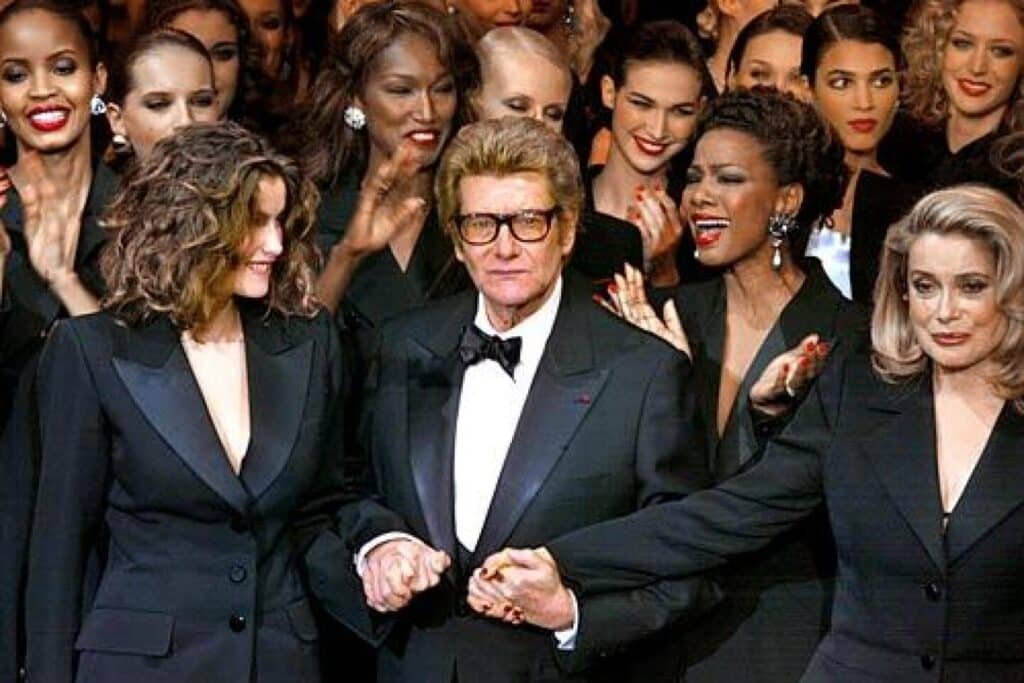
Marc Bohan’s Conservative Elegance (1960-1989)
Marc Bohan succeeded Saint Laurent, steering Dior through three decades of significant cultural and fashion shifts. Known for his understated and refined designs, Bohan maintained Dior’s reputation for timeless elegance. His Slim Look in 1961 was a nod to the emerging minimalist trends. His designs appealed to a loyal clientele, including royalty like Princess Grace of Monaco.
Under Bohan’s leadership, Dior expanded into new markets and product lines, including men’s fashion with the launch of Christian Dior Monsieur in 1970. The house also entered the beauty industry, introducing iconic fragrances like Diorissimo and J’adore, which remain synonymous with luxury to this day.

The Gianfranco Ferré Years (1989-1997)
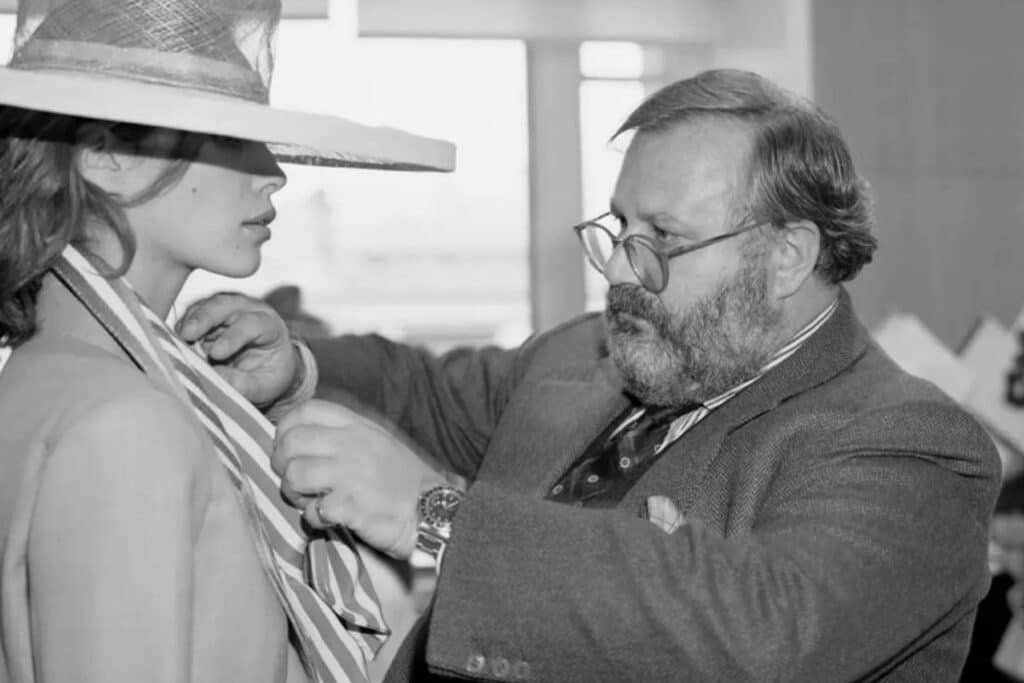
Italian designer Gianfranco Ferré became the first non-French artistic director of Dior in 1989. Known for his architectural approach to fashion, Ferré brought a bold and opulent touch to the house. His designs balanced structure and femininity. This resonated with an international audience.
During Ferré’s tenure, Dior reinforced its status as a global luxury brand, and its fragrance line flourished with the release of timeless scents such as Dune and Dolce Vita.
John Galliano’s Era: Theatrical Reinvention (1997-2011)
In 1997, the flamboyant British designer John Galliano took the helm, ushering in one of Dior’s most memorable and transformative eras. Galliano’s theatrical flair and daring creativity redefined the brand for a modern audience. His runway shows were extravagant spectacles. They blended historical references with avant-garde innovation.
Galliano’s tenure produced iconic collections such as the Masquerade Ball and the Eastern-inspired Spring 2003 couture, which celebrated global cultures through a couture lens. He also revitalised Dior’s accessory lines, including handbags like the Saddle Bag, which became a fashion staple in the early 2000s.
However, Galliano’s career at Dior ended abruptly in 2011 following allegations of misconduct. Despite the controversy, his influence on the brand remains undeniable, with his daring designs and theatrical vision still celebrated today.
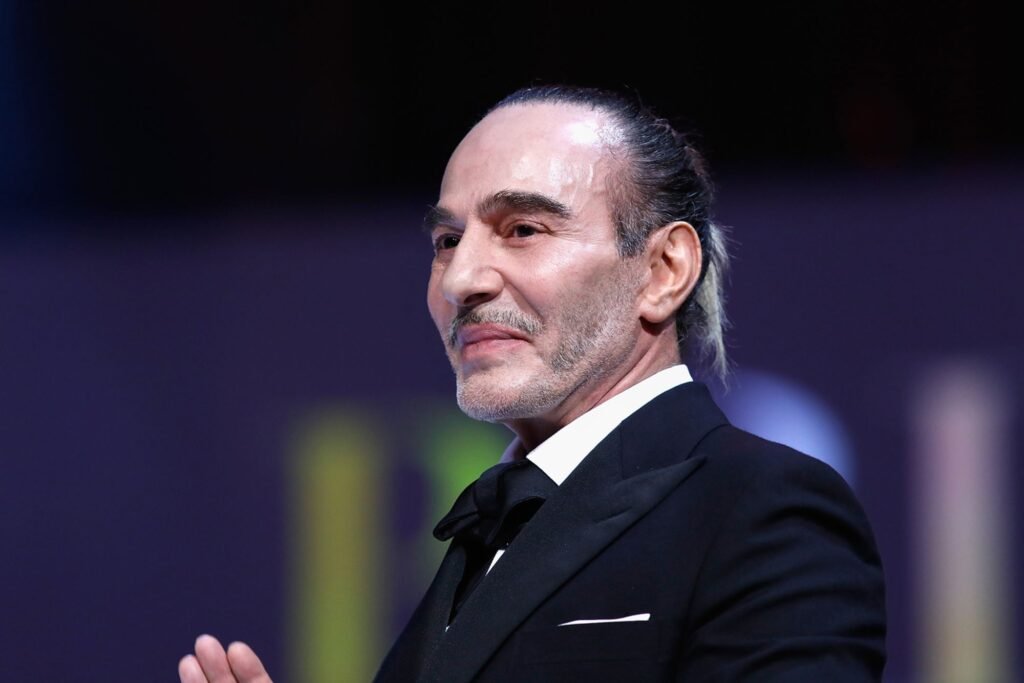
Raf Simons: Minimalist Modernity (2012-2015)
Belgian designer Raf Simons succeeded Galliano, bringing a minimalist and modern sensibility to Dior. Simons’ debut couture collection in 2012 paid homage to Dior’s heritage. He also introduced a fresh, contemporary aesthetic. His designs were characterised by clean lines, innovative tailoring, and a focus on wearability.
One of Simons’ standout contributions was his reinterpretation of the Bar Jacket, a cornerstone of the “New Look,” which he modernised for a new generation. Under Simons, Dior also embraced sustainability and digital innovation, appealing to a younger, tech-savvy audience.
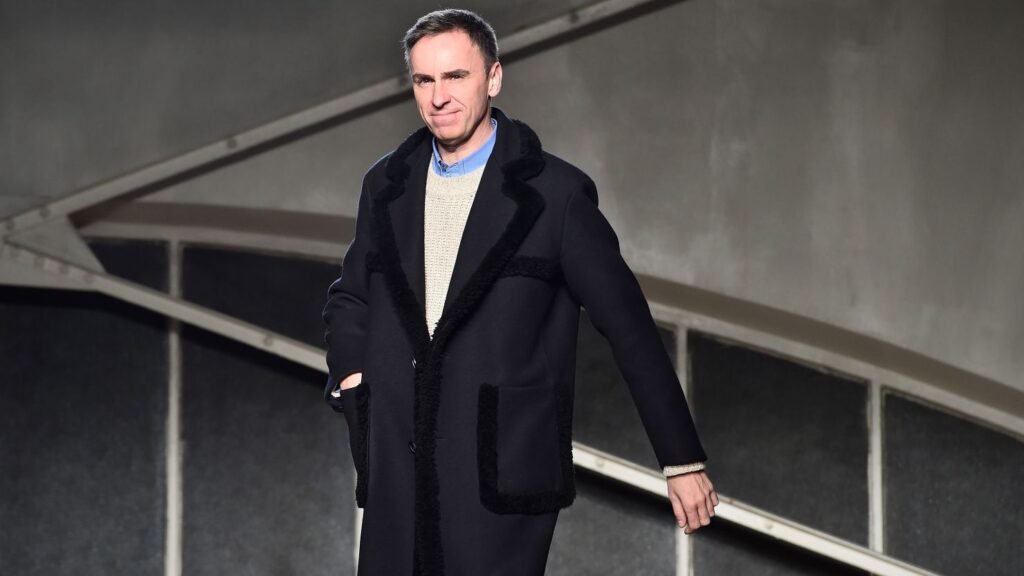
Maria Grazia Chiuri: Empowering Women (2016-2025)
In 2016, Maria Grazia Chiuri became Dior’s first female artistic director, marking a historic moment for the brand. Chiuri’s tenure has been defined by a focus on feminist themes and cultural inclusivity. Her debut collection featured the now-iconic “We Should All Be Feminists” T-shirt, inspired by Chimamanda Ngozi Adichie’s essay.
Chiuri has blended Dior’s legacy of elegance with a modern ethos of empowerment. Her designs often draw inspiration from global cultures and highlight craftsmanship, with collections showcasing intricate embroidery and bold statement pieces. Under her leadership, Dior has also expanded its focus on sustainability, introducing eco-conscious practices across its collections.
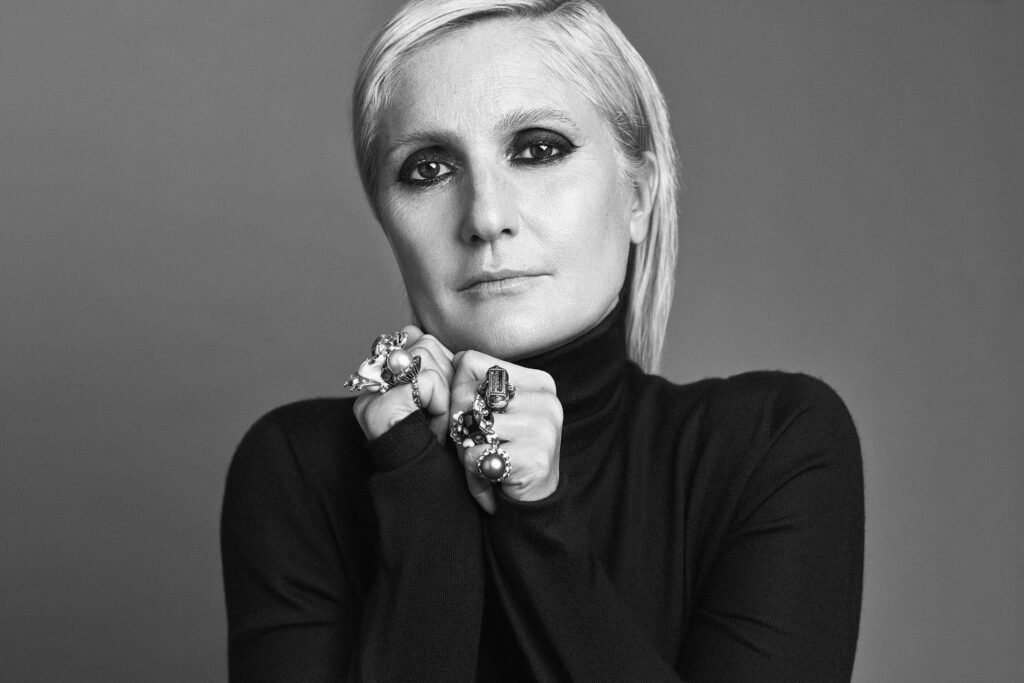
Dior Beyond Fashion: Beauty and Influence
Dior’s influence extends far beyond the runway. Its beauty division, launched in 1947 with the fragrance Miss Dior, has grown into one of the world’s leading luxury beauty brands. Iconic scents like J’adore and Sauvage have become bestsellers. Meanwhile, Dior’s makeup and skincare lines set industry standards for innovation and quality.
The brand has also played a pivotal role in shaping pop culture. Dior’s designs have graced countless red carpets, worn by celebrities like Charlize Theron, Jennifer Lawrence, and Rihanna. Its collaborations with artists and filmmakers, such as its partnership with director Sofia Coppola for the Miss Dior campaigns, further cement its cultural relevance.
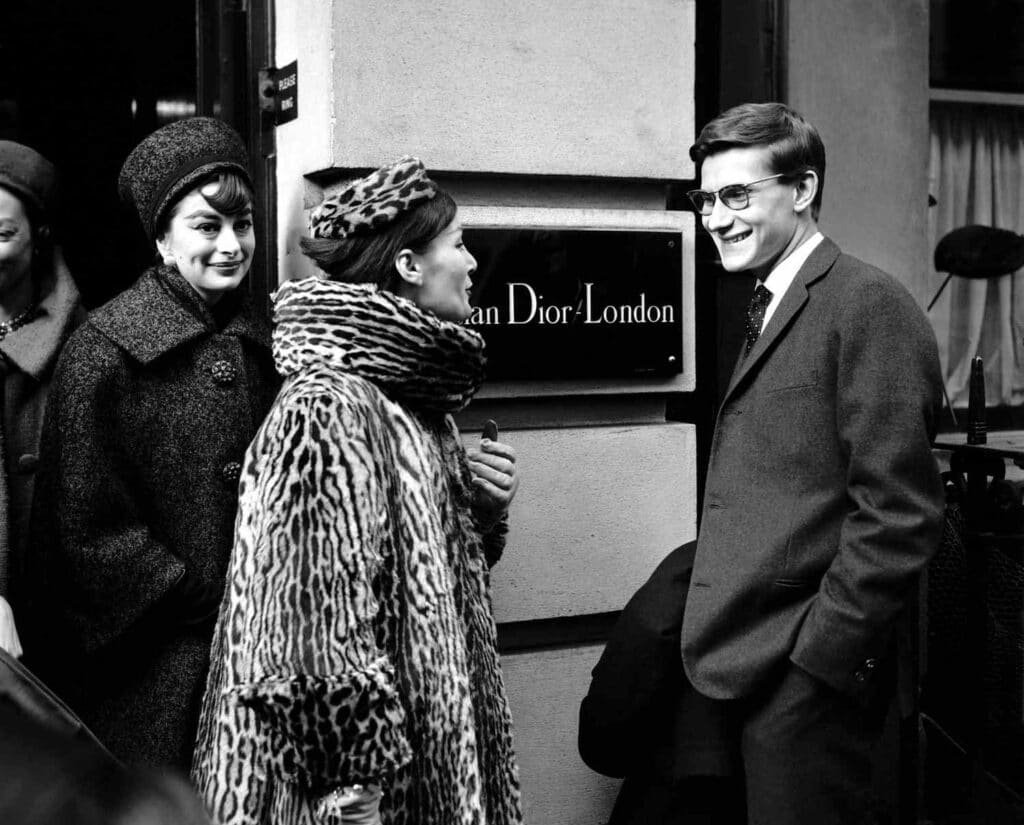
The Jonathan Anderson Era: One Vision Across the House (2025–)
In 2025, Dior entered its most significant creative shake-up in decades. Maria Grazia Chiuri departed after nearly nine years defining the women’s line, and Kim Jones stepped away from menswear. In their place, Dior appointed Jonathan Anderson — the Northern Irish designer who reinvented Loewe and built his own label JW Anderson — as creative director across womenswear, menswear and haute couture. It made him the first person since Christian Dior himself to hold sole creative control of every line, a rare consolidation that signalled just how heavily LVMH was betting on one unifying vision.
Anderson’s arrival marked a deliberate change of tone — intellectual, playful and craft-obsessed, trading spectacle for a more considered kind of desire. For a house that has moved through Galliano’s theatre, Simons’s minimalism and Chiuri’s feminism, it is the boldest reset in a generation.
Legacy and Continued Innovation
From Christian Dior’s revolutionary “New Look” to Maria Grazia Chiuri’s empowering collections, Dior has consistently redefined fashion while staying true to its roots. The house remains a symbol of French elegance and innovation, blending heritage with modernity to captivate audiences worldwide.
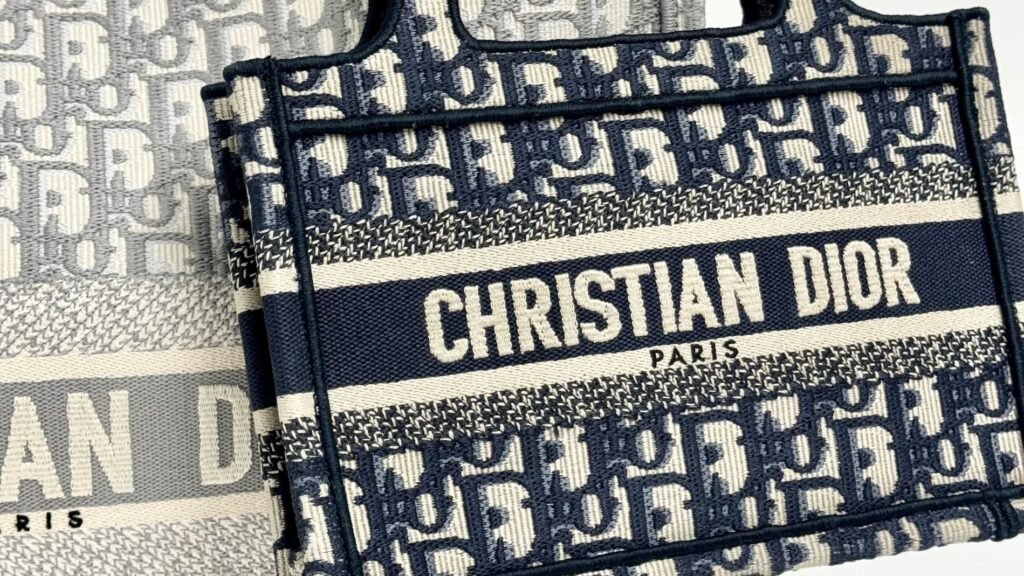
As Dior continues to evolve, its commitment to craftsmanship, artistry, and cultural influence ensures that its legacy as a global fashion icon endures.